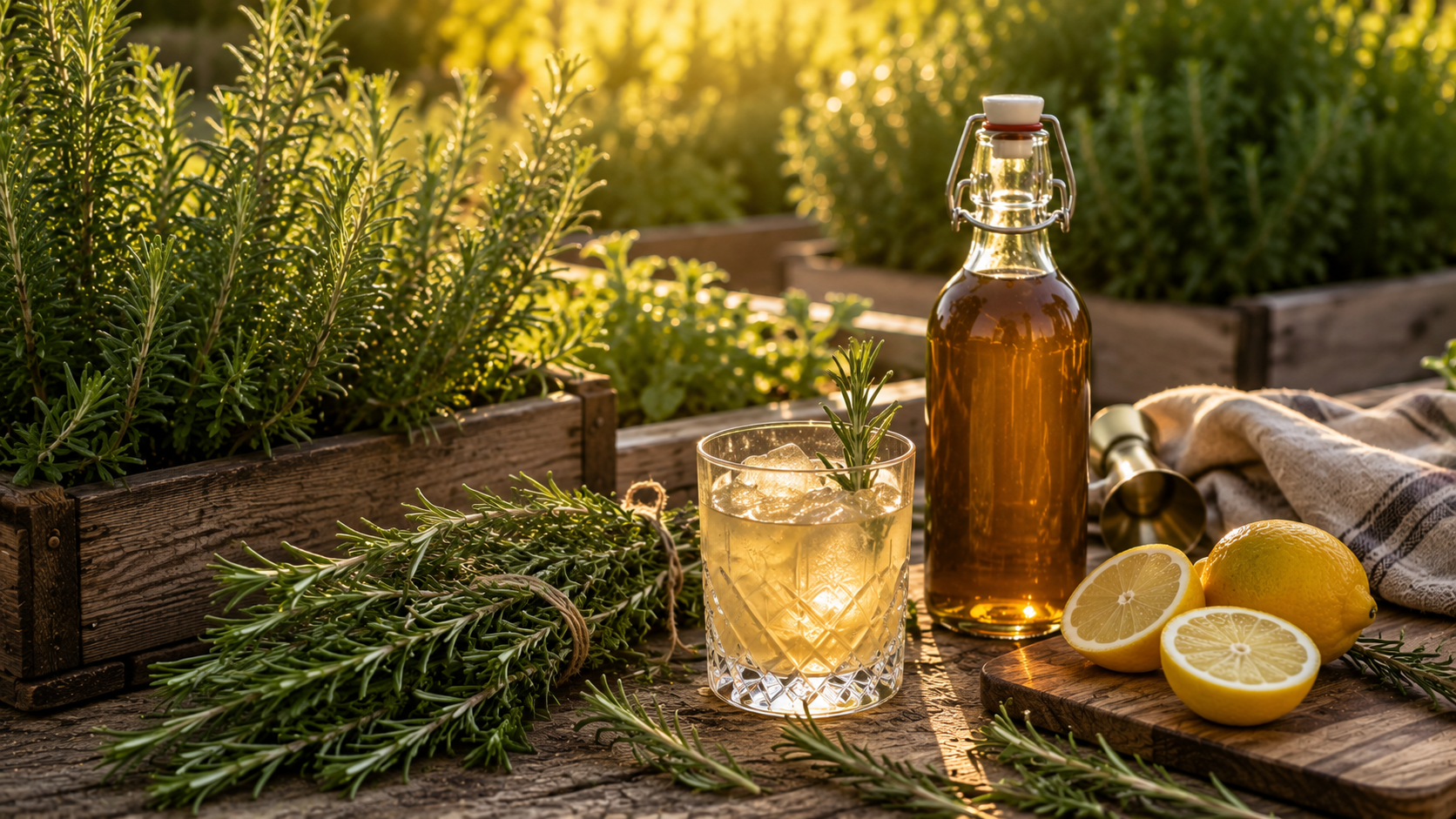
Rosemary Harvest Hub
The Rosemary Harvest Hub Year-Round
Rosemary is the dependable herb — evergreen, fragrant, and always within reach. Grow it for the garden, use it in the kitchen, and bring it to the glass when the table calls for something thoughtful.
Explore Rosemary
Everything we grow, preserve, and enjoy around the table.
Rosemary is more than a plant in the herb bed. It becomes dried bundles in the pantry, syrup cubes for the bar, bread on the counter, dinner in the cast iron, and one more reason to gather. Start wherever you are in the season.
Grow rosemary well, choose the right varieties, harvest with confidence, and understand why this herb stays at the center of our garden-to-glass table.
Read the guide →Learn how we dry rosemary, freeze syrup cubes, store it well, and bring the harvest back to the table throughout the year.
Save the harvest →Turn fresh rosemary into a simple syrup for bourbon sours, lemonade, sparkling mocktails, tea, and seasonal drinks.
Make the syrup →A cozy garden-to-glass cocktail where rosemary, citrus, and bourbon feel made for one another.
Mix the drink →The herb we reach for year-round
Some herbs come and go. Rosemary stays.
Rosemary is the quiet constant in the garden. It does not ask for much once it is settled, but it keeps showing up — in roasted potatoes, grilled vegetables, focaccia, simmering soups, holiday meals, and the occasional bourbon sour shared when the day slows down.
That is why it belongs here. Rosemary connects the herb bed to the kitchen, the kitchen to the table, and the table to the glass.
Give rosemary sun, drainage, and room to settle in. A healthy plant can become a long-lived anchor in the garden.
Learn to grow →Cut young green tips regularly so the plant stays full, useful, and ready whenever the kitchen or bar needs it.
Harvest well →Rosemary syrup captures the herb’s piney depth in a form that works beautifully in cocktails, mocktails, lemonade, and tea.
Make syrup →From roasted vegetables and focaccia to bourbon sours and sparkling drinks, rosemary belongs in everyday gatherings.
Mix a drink →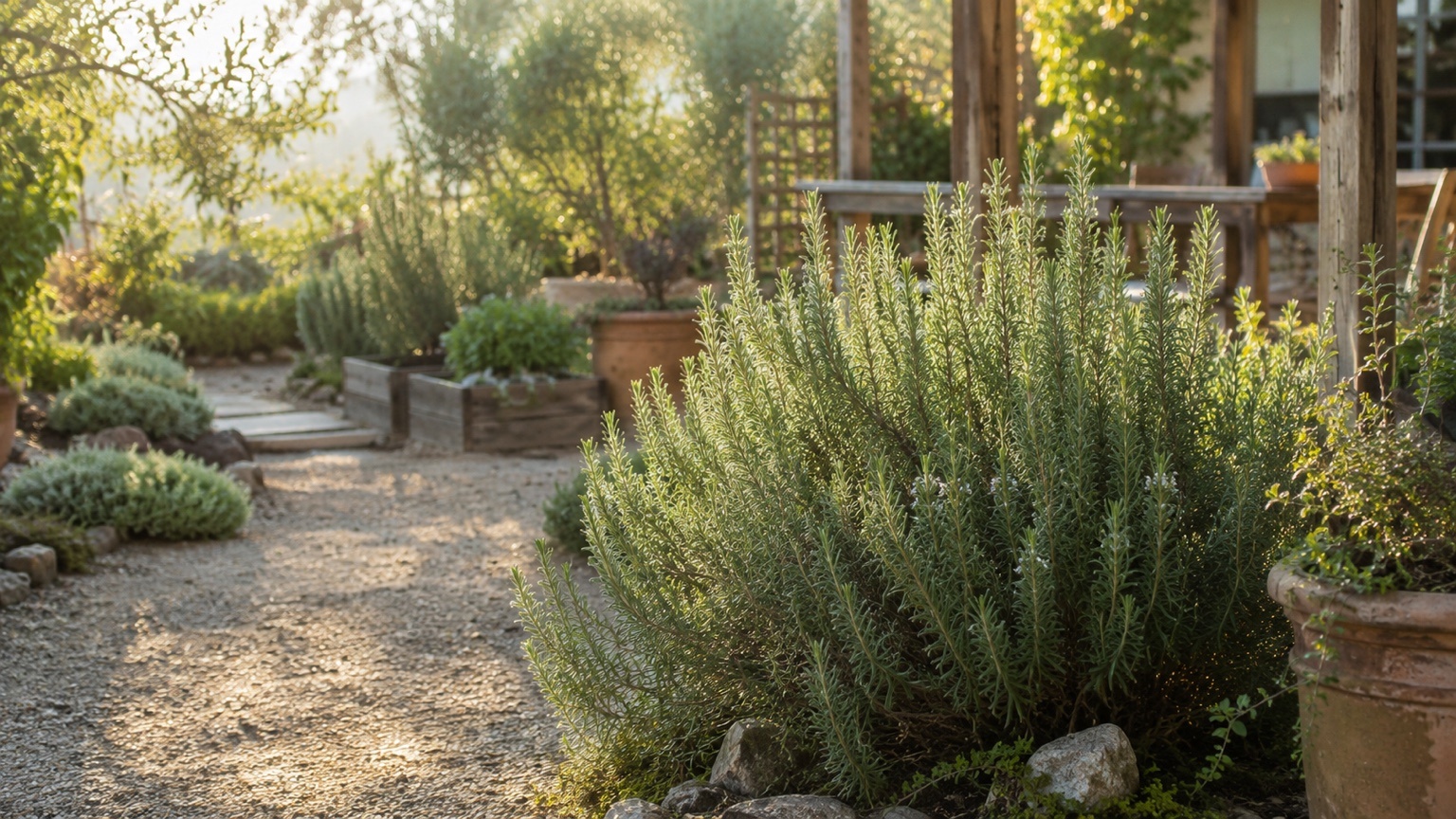
From our garden
The plant that is always there.
The rosemary plant is not always the showiest thing we grow, but it may be the one we use most. Over time, rosemary becomes less like a small herb and more like a dependable shrub — part of the bones of the garden.
Fresh stems find their way into roasted potatoes, homemade bread, grilled vegetables, simple syrups, and drinks shared at the end of the day. Even in the quiet months, when most of the garden rests, rosemary still offers something to harvest.
There is comfort in that. Rosemary reminds us that a garden does not have to be overflowing to still be generous. Sometimes one steady plant is enough to carry the flavor of a whole season.
Around the table
Rosemary rarely belongs to just one recipe.
A few stems go into roasted potatoes. Another sprig lands on focaccia dough. A branch perfumes a chicken on the grill. Later, the same plant might end the evening in a rosemary bourbon sour or a sparkling lemonade poured for everyone at the table.
That is the beauty of growing it. Rosemary does not live in one corner of the garden or one section of the recipe box. It follows the family through the year and quietly makes ordinary meals feel more cared for.
Rooted in the garden. Raised around the table.
Our rosemary philosophy
Kitchen first, bar second.
Rosemary earns its place in the glass because it first earns its place in the kitchen.
The best garden-to-glass ingredients are not gimmicks. They are plants we already know how to live with. Rosemary belongs in dinner first — on potatoes, bread, vegetables, chicken, soups, and holiday meals — and that familiarity is exactly why it works so well in drinks.
When rosemary syrup, a smoked garnish, or a bourbon sour reaches the table, it does not feel random. It feels like the garden simply followed the meal into the glass.
Rosemary at a glance
A quiet workhorse in the garden.
Rosemary is not delicate. It prefers sun, drainage, and restraint. Once established, it asks for very little and gives back all year.
Through every season
Rosemary does not belong to one moment.
Mint feels like summer. Plums feel like harvest. Rosemary feels like home because it follows the family through the year.
Spring
Fresh growth begins, flowers appear, and a light trim sets the plant up for a full season of useful stems.
Summer
Rosemary stands up to heat when softer herbs fade, bringing structure to grilled vegetables, lemonade, and evening drinks.
Fall
It moves naturally into roasted potatoes, breads, soups, and richer cocktails built around bourbon, rye, and citrus.
Winter
When much of the garden is quiet, rosemary still offers fresh stems for holiday meals, simmer pots, and simple garnishes.
Why we keep growing rosemary
Why Rosemary Earns Its Place
Rosemary earns its place because it moves easily between the garden, the kitchen, and the glass. It brings depth to bourbon and mezcal, fragrance to roasted vegetables, structure to winter soups, and a sense of care to simple food served around the table. For the full picture on cocktail herbs, see the Cocktail Herb Guide.
Finding your favorite
Rosemary Varieties for the Garden and Table
Unlike lavender, where variety changes the flavor dramatically, most upright rosemary cultivars work well in both the kitchen and the bar. The real decision is growth habit, cold hardiness, and how you plan to use the stems — for cooking, syrups, garnishes, or a long-lived garden anchor.
In the ground
How to Grow Rosemary
Rosemary is one of the most self-sufficient plants you can put in a bar garden. Give it the right conditions and it will largely look after itself. Get the conditions wrong and no amount of attention will save it.
What rosemary needs
- Sun: Full sun — at least 6 hours per day. In shade it grows slowly, flowers poorly, and the flavor is less concentrated.
- Drainage: Critical. Rosemary's roots rot quickly in wet or waterlogged conditions. In heavy clay soil, plant in a raised bed or container and add significant grit or sand.
- Watering: Minimal once established. Water new plants for the first 6 weeks, then step back. Overwatering is the most common mistake with established rosemary.
- Soil pH: Neutral to slightly alkaline (pH 6.0 to 7.5). Tolerates poor, lean soil well — excess fertility encourages soft growth at the expense of fragrance.
- Spacing: 24–36 inches apart for upright varieties. Rosemary grows into a substantial shrub — give it room from the start.
- Feeding: Rarely needed. A light balanced feed in early spring is sufficient. Heavy nitrogen feeding produces lush, soft foliage with less aromatic intensity.
The most common problems
-
Root rot in winterThe combination of cold and wet soil kills more rosemary plants than frost alone. If your garden has heavy or poorly draining soil, the risk is highest in fall and winter. A raised bed or container is the most reliable solution.
-
Insufficient sunA partially shaded rosemary produces less fragrance, fewer flowers, and weaker stems. The flavor difference between a sun-grown plant and a shade-grown plant is noticeable in the glass. Don't compromise on position.
-
Cutting into old woodLike lavender, rosemary will not regenerate from old grey wood. Always leave green foliage below any cut. A light annual trim is much more effective than an occasional hard cut.
-
Harvesting too aggressivelyTaking more than a third of the plant at once stresses it significantly and slows recovery. Harvest little and often rather than stripping the plant in one session — you'll get more over the course of a season.
In zones 6 and below, rosemary needs help to survive winter. In a container, move it to a sheltered spot — an unheated greenhouse, cold frame, or against a south-facing wall provides enough protection in most winters. Mulch around the base of in-ground plants before the first hard frost, and consider a horticultural fleece wrap in zone 6. Arp is the variety most likely to survive without intervention in colder gardens.
From the plant
When and How to Harvest
Rosemary can be harvested almost year-round in mild climates, but the quality and flavor are best when the plant is growing actively — late spring through early fall. A few principles make a significant difference to what you get from each harvest.
Harvest young, flexible tip growth
The most aromatic and flavorful part of the plant is the young, soft tip growth — the last 4 to 6 inches of each stem where the needles are pale green and flexible. This is what to use in syrups and for fresh garnishes. Older, woodier stems have less aromatic oil and tougher needles.
Cut in the morning
As with all aromatic herbs, essential oils are most concentrated in the morning after dew has dried. Morning rosemary is noticeably more fragrant than rosemary cut in the afternoon heat. This matters most if you're making syrup or an infusion where you're extracting the oils directly.
Never take more than a third at once
Rosemary is resilient but not indestructible. Taking more than a third of the foliage in a single harvest stresses the plant and slows its recovery significantly. Harvest regularly in small amounts rather than stripping the plant before a big event — the cumulative yield will be higher and the plant will stay healthier.
Harvest before and during flowering
Rosemary typically flowers in spring — small blue-purple blooms that are themselves edible and garnish-worthy. Harvest tips freely before and during this period; the plant's fragrance is at its highest. After flowering, give the plant a light trim to encourage fresh growth.
Select special stems for garnishes
When harvesting for garnishes, look for stems with dense, evenly-distributed needles and a clean, straight profile. A rosemary garnish stem is a beautiful object — choose the best ones deliberately. Stems intended for smoking should be cut slightly more mature so they hold their structure when briefly torched.
Use fresh or begin drying immediately
Fresh rosemary is best used the same day or stored briefly stem-down in a glass of water in the fridge. For drying, bundle loosely and hang in a warm, well-ventilated dark space. Rosemary dries in 1 to 2 weeks and retains excellent flavor for months — far better than most herbs dried at home.
Make it last
Preserving Your Rosemary Harvest
Rosemary is one of the most preservable herbs in the bar garden. It dries beautifully, infuses cleanly, and freezes well as a syrup. A summer harvest handled right will supply your bar into the following spring.
At the bar
Using Rosemary in Drinks
Rosemary has more uses at the bar than almost any other garden herb — syrup, garnish, smoke, infusion, muddling, and honey. Each technique brings out a different aspect of its flavor. Here's when to reach for each one.
In the glass
What to Make with Garden Rosemary
Rosemary's natural affinities are with aged spirits, citrus, and smoke. Start with the Rosemary Bourbon Sour — it's the clearest expression of what this herb does at its best — and build out from there.
Homemade Syrup
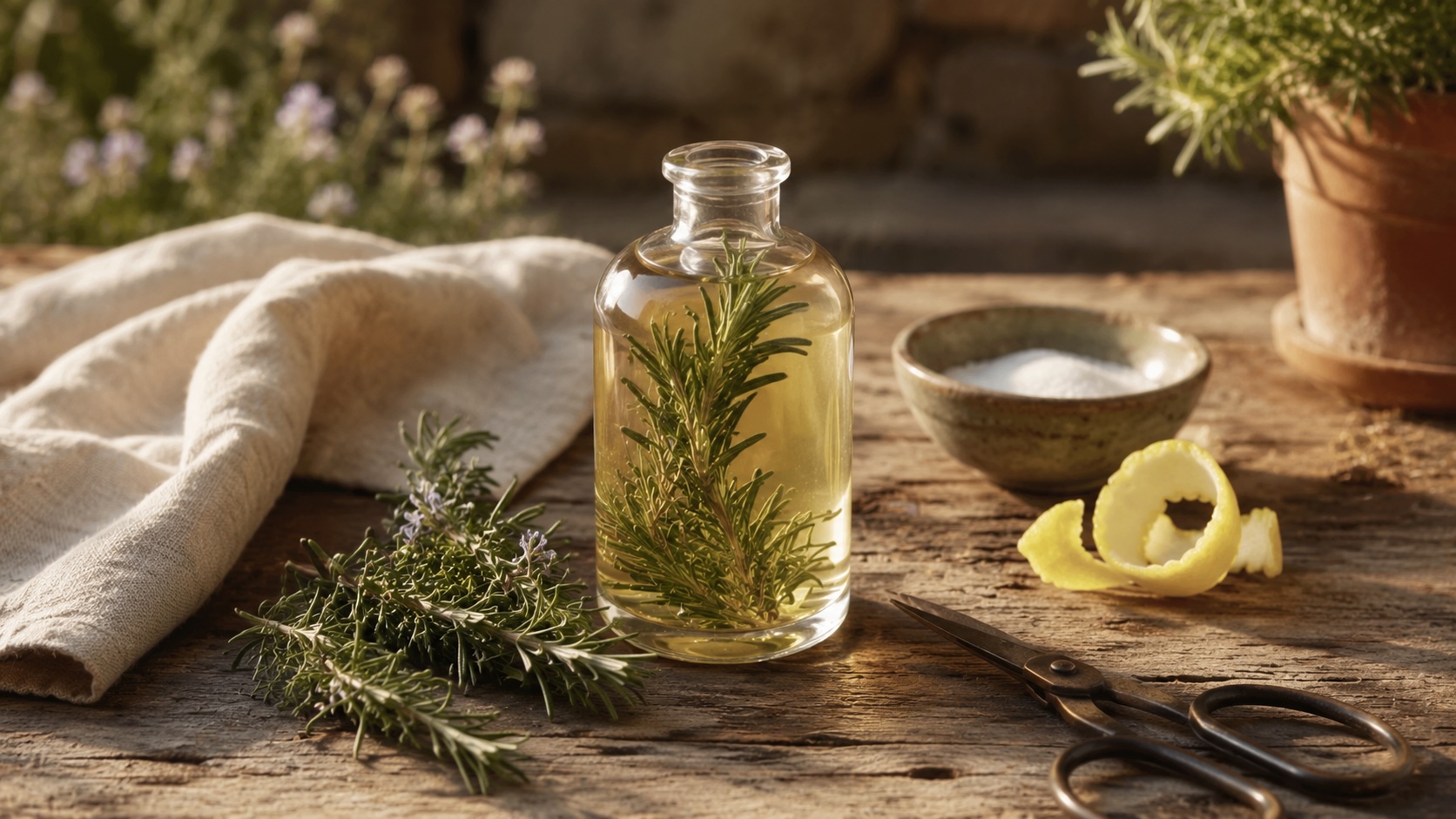
Rosemary Simple Syrup
Earthy, aromatic, and surprisingly versatile. A simple way to preserve fresh rosemary from the garden.
View recipe
Featured Cocktail
Rosemary Bourbon Sour
Bright citrus, rich bourbon, and fresh rosemary come together in a classic cocktail perfect for cool evenings.
Make it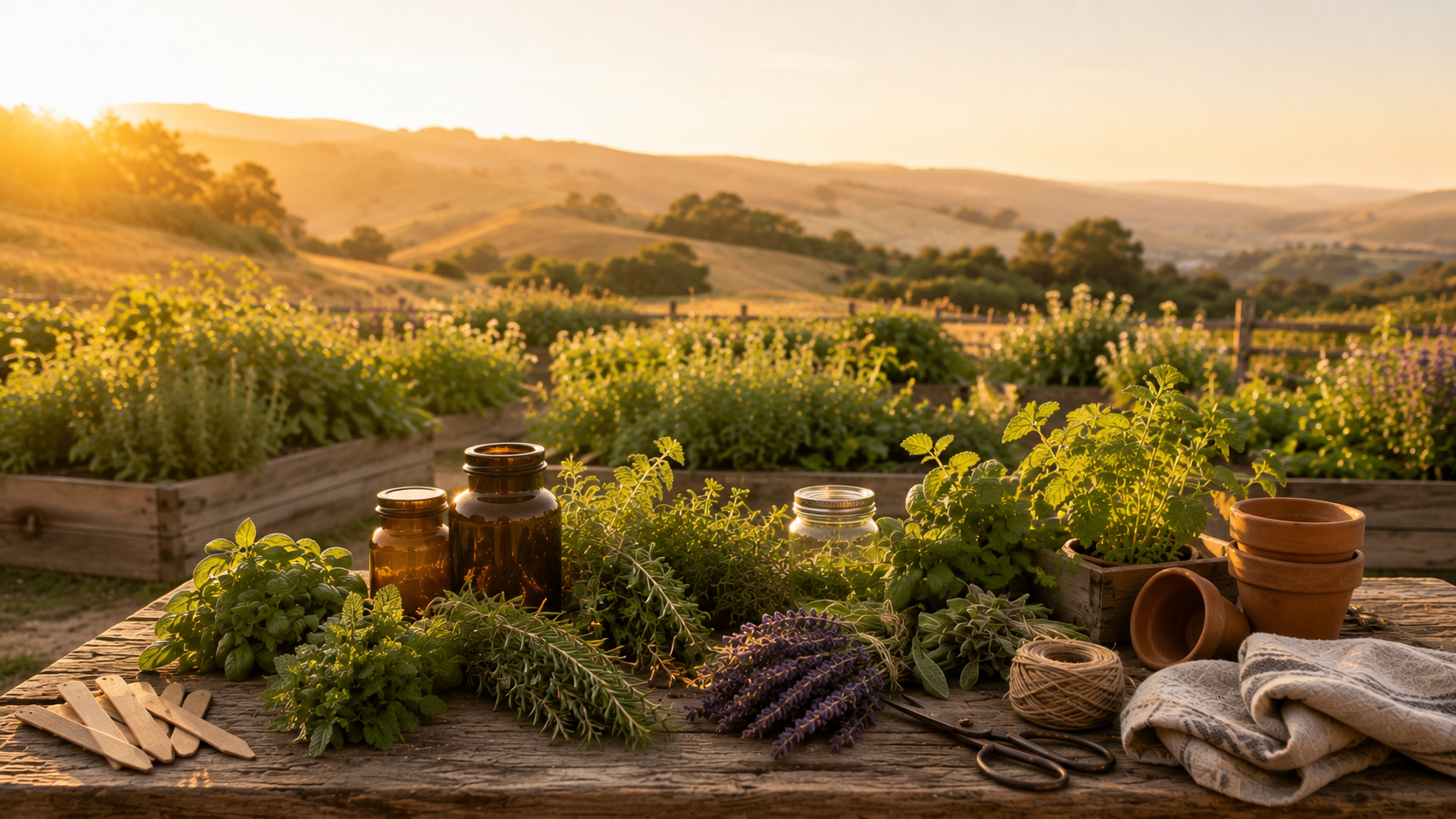
Explore More
Visit the Harvest Hub
Discover more herbs, growing guides, and seasonal inspiration for your garden-to-glass journey.
ExploreLearn from these
Common Rosemary Mistakes
Most rosemary failures are preventable. Here are the ones worth knowing before you plant — and before you reach for the bottle.
Keep the harvest going
The season does not end when the stems are cut.
Once rosemary is established, the next question becomes simple: what do we do with all of it? This next chapter walks through the rhythms we return to — fresh stems for dinner, small bundles for drying, syrup cubes for the bar, and the meals that bring the harvest back to the table.
Our favorite ways to use rosemary
From weeknight meals to garden-to-glass drinks.
Rosemary is most useful when it becomes part of everyday life — clipped fresh for dinner, steeped into syrup, dried for later, or saved for the drinks and meals that gather people together. These are the first places we would send someone who wants to make rosemary useful right away.
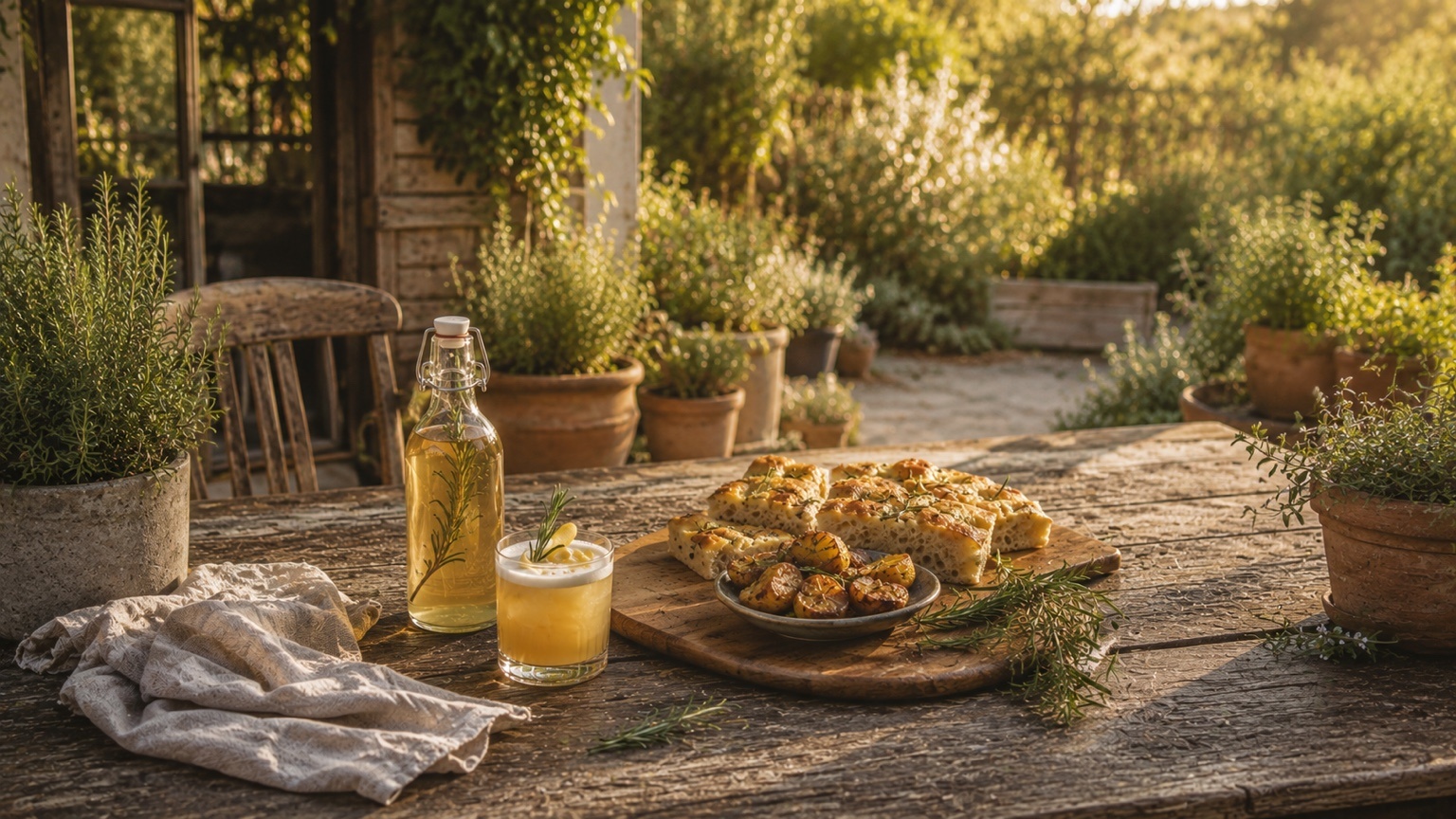
A small batch of rosemary syrup turns fresh stems into a ready-to-pour ingredient for cocktails, mocktails, lemonade, tea, and sparkling water.
Make the syrup →Bourbon, citrus, and rosemary feel made for one another. The herb adds piney depth without overpowering the glass.
Mix the drink →Fresh when you need it, dried when you do not, and easy to save for the slower seasons. Rosemary rewards simple rhythms.
Save the harvest →
Questions answered
Rosemary Growing FAQ
The questions that come up most often — answered plainly.
Yes, once established rosemary is one of the most self-sufficient plants in the garden. It tolerates drought, poor soil, and minimal attention. The main requirements are full sun and good drainage — get those right and rosemary will grow into a substantial, long-lived shrub that keeps giving for years. The main failure point is wet, cold soil in winter, which causes root rot.
Any upright-growing Rosmarinus officinalis variety works well for cocktails — the flavor difference between cultivars is subtle compared to, say, lavender varieties. Tuscan Blue is a classic choice with strong fragrance and upright growth that makes harvesting easy. Arp is more cold-hardy and a better choice for gardens in zones 6 and below. Avoid prostrate or trailing varieties for cocktail use — they produce shorter stems that are harder to harvest and use as garnishes.
Rosemary grows very well in containers, particularly in wetter climates where pot drainage is easier to control than in-ground drainage. Use a terracotta or unglazed ceramic pot for breathability, a free-draining mix with added grit or perlite, and position in full sun. Bring containers indoors or into a sheltered spot in zones below 6 where hard frosts are regular.
Rosemary is a perennial evergreen shrub in zones 7 through 11 — it keeps its leaves year-round and grows continuously without dying back. In zones 6 and below it can be grown as a perennial with protection, or treated as an annual. Unlike mint, rosemary doesn't die back in winter in milder climates, meaning you can harvest small amounts year-round even when the garden is otherwise dormant.
Combine equal parts sugar and water in a saucepan over medium heat. Once the sugar has dissolved, remove from heat, add 3 to 4 fresh rosemary sprigs (or 2 dried), and steep for 20 to 30 minutes. Taste frequently — rosemary is assertive and over-steeping produces a medicinal, bitter result. Strain, cool, and refrigerate in a sealed jar for up to 3 weeks. Freeze in ice cube trays for longer storage.
Bourbon and rye are the most natural partners — the piney, resinous character of rosemary has an affinity with the caramel and oak of aged American whiskey. Gin works well, particularly with styles that already have herbal botanical profiles. Mezcal is a compelling match where rosemary's smokiness and the spirit's smokiness amplify each other. Tequila blanco with rosemary and grapefruit is a very good combination. Rosemary is less successful with light rum or vodka, where it can read as medicinal rather than herbal.
Yes — dried rosemary works well in syrups and infusions, and dried stems make excellent garnishes that hold their structure beautifully. For syrups, use roughly half the quantity of dried versus fresh. For garnishes, a dried stem with its needles intact laid across a glass is one of the most striking simple presentations from the bar garden. Fresh rosemary is preferable for muddling, but for everything else dried is a legitimate and often more convenient choice.
Briefly pass a dried rosemary sprig through a flame, blow it out, and place it across the top of the finished drink. The smoldering needle tips release a thin plume of piney, herbaceous smoke as the drink is served and first approached — the nose experiences the smoke before the palate experiences the drink. It works particularly well on bourbon and mezcal cocktails. Keep the burn brief; a heavily charred sprig smells unpleasant and the smoke becomes acrid.
The most common cause is root rot from wet soil — rosemary simply cannot survive in poorly drained conditions, especially over winter when the combination of cold and moisture is lethal. Other causes include planting in too much shade (rosemary needs at least 6 hours of sun), or cutting back into old wood during pruning, which the plant cannot regenerate from. If you're in a wet climate, growing in a container is often more reliable than attempting to amend heavy garden soil.
Rosemary is assertive and resinous — enough to overpower a drink if used carelessly. In a syrup, 3 to 4 sprigs per cup of liquid is the right starting point, steeped off the heat for 20 to 30 minutes with frequent tasting. As a muddled ingredient, one or two young tips gently pressed is enough — crushing hard or muddling a whole sprig releases harsh tannins from the woody part of the stem. As a garnish, one good stem is more than sufficient.
Drink responsibly. Every mocktail on this site is just as good as the cocktail version. Enjoy the garden. Enjoy the bar. Be safe, be kind, and look after each other.