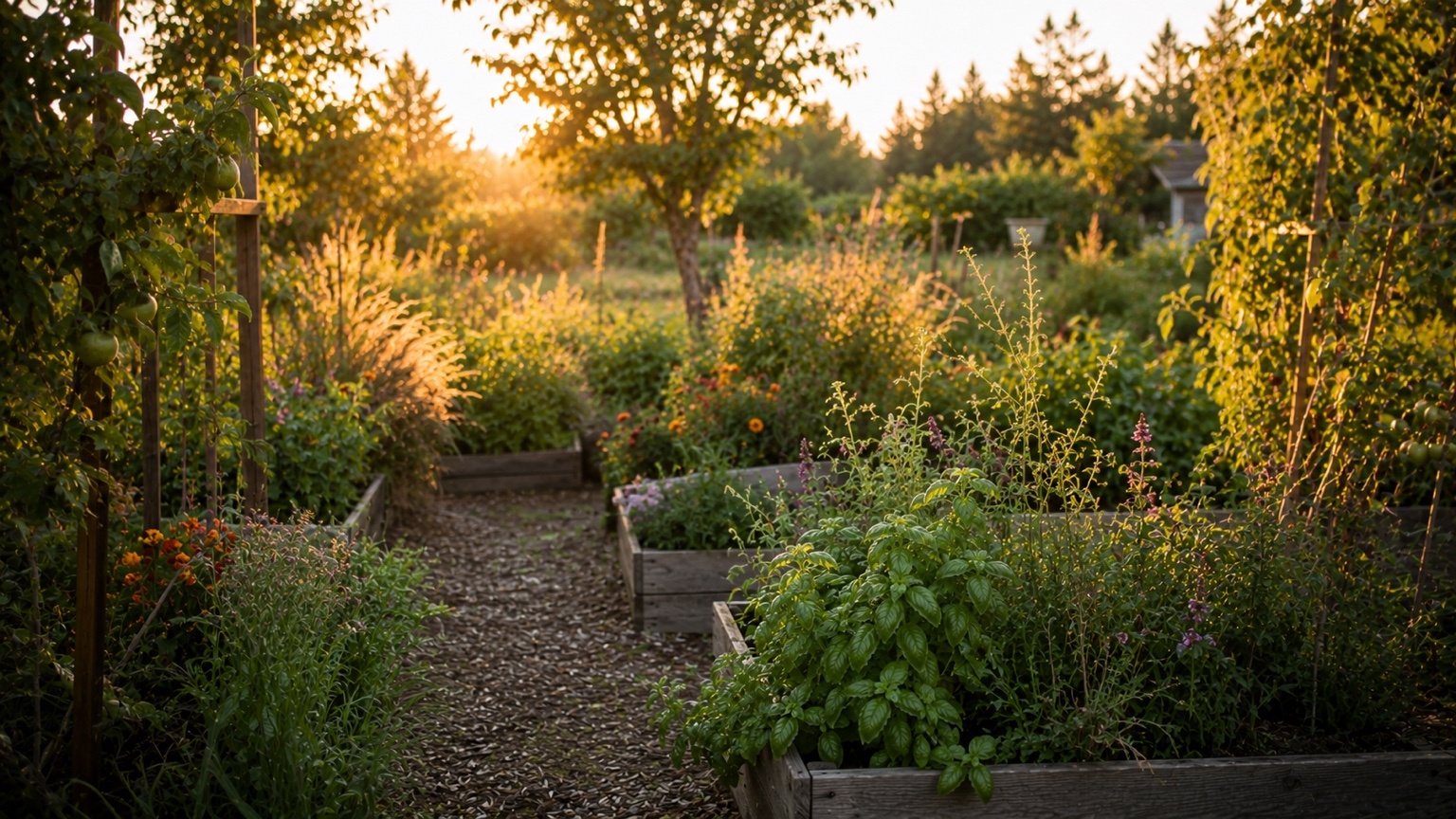
How to Harvest and Preserve BasilSummer Abundance
There is always more basil than we expect. One minute the plants are small seedlings tucked into the raised beds. Then suddenly it is August, the basket is overflowing, and we are wondering how one family could possibly eat this much basil.
Continue the Basil Story
Basil begins in the garden, but it rarely stays there for long. It moves from warm beds to pizza nights, caprese salads, lemonade, pesto days, freezer cubes, and the meals that make summer feel full.
Basil Guide
Grow basil for peak summer flavor, generous harvests, garden meals, fresh drinks, and warm-weather abundance.
Explore the Guide →Harvest & Preserve Basil
Learn when to cut basil, how to harvest generously, and how to turn too much basil into a summer blessing.
Save the Harvest →Basil Simple Syrup
Make a bright, garden-fresh syrup for lemonade, spritzes, mocktails, cocktails, and summer gatherings.
Make the Syrup →Seasonal Recipes
Bring basil into pizza, pasta, salads, drinks, and garden-to-glass recipes built around what is growing now.
Browse Recipes →Every year starts the same way.
I tell myself that two basil plants will probably be enough. Then I buy four.
By July, we are picking leaves for caprese salads and pizza nights. By August, the plants are overflowing and I start asking neighbors if they need basil.
The funny thing is, I never regret growing too much. Basil is one of those herbs that rewards generosity. The more we harvest, the fuller the plants become. The more we share, the more summer seems to multiply.
And somewhere along the way, “too much basil” becomes one of the blessings of the season.
Spring Optimism
A few little starts go into the bed with every good intention. We imagine a handful of leaves for dinner and forget how quickly basil becomes generous.
August Abundance
The plants turn full and fragrant just as tomato season arrives. Suddenly basil belongs in everything: salads, pizza, pasta, drinks, and anything headed to the table.
Freezer Season
When the baskets keep filling, pesto day begins. Containers stack up, freezer cubes set, and summer starts saving itself for later.
Basil likes to be picked.
Once the plants are established, I harvest boldly. Not one leaf at a time. Real stems. Enough for dinner. Enough for tomorrow. Enough to encourage the plant to grow even bigger.
I usually harvest in the morning while everything still feels cool and fresh. A basket, a pair of garden snips, and ten quiet minutes are often enough. Before long, the basket is fuller than expected. Again.
Cut above leaf nodes
Cut just above a pair of leaves so the plant branches instead of stretching tall and thin.
Harvest from the top
Taking the top growth encourages a fuller, bushier plant and gives you usable stems instead of scattered single leaves.
Pinch flower buds quickly
Flowering pulls the plant toward seed. Pinch buds as they appear if you want tender, sweet leaves for as long as possible.
Harvest often
Basil rewards regular picking. The more consistently we harvest, the more the plant seems to give back.
Eventually every basil grower reaches the same moment.
There is simply too much basil. That is usually when pesto day happens.
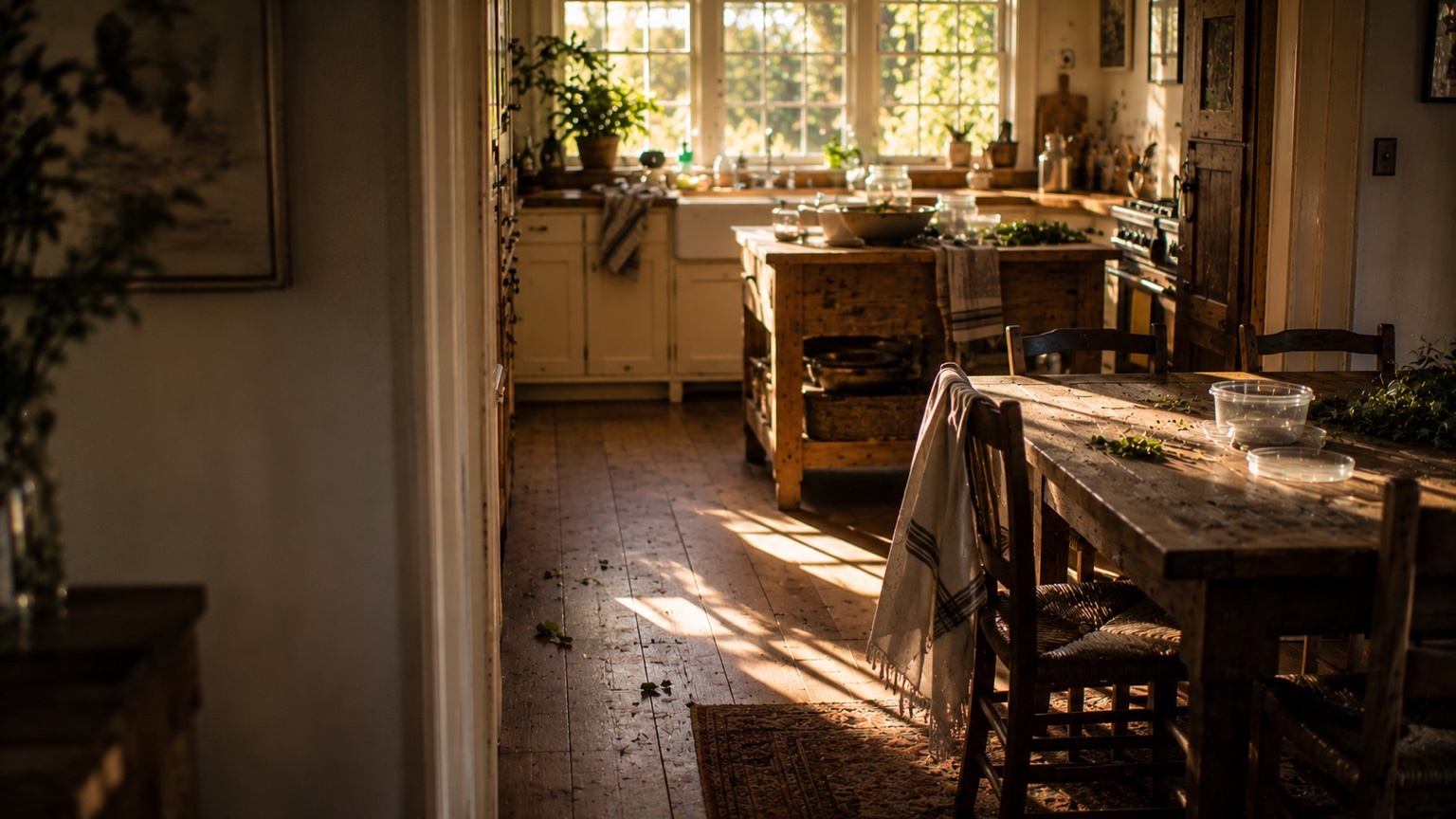
The food processor comes out. Parmesan appears. Garlic, olive oil, and nuts spread across the counter. Leaves are everywhere. Containers line up waiting for the freezer. And somehow an entire afternoon disappears.
It feels messy. It smells incredible. And by the end of the day, summer is stacked neatly inside little containers waiting for winter.
Pesto day has become one of my favorite traditions. Not because it is efficient. Because it means the garden gave us more than enough.
Freezer Pesto
The first and best answer to a big basil harvest. Spoon it into small jars, silicone trays, or flat freezer bags so winter meals can borrow from summer.
Best for: pasta, pizza, sandwiches, soups, and quick dinners.
Olive Oil Cubes
Chop basil, pack it into trays, cover with olive oil, and freeze. These cubes are weeknight helpers when dinner needs brightness fast.
Best for: soups, sauces, eggs, beans, and skillet meals.
Shared Bunches
Sometimes the best preservation is sending a fragrant handful home with someone else. Basil has a way of turning into dinner wherever it lands.
Best for: neighbors, family, friends, and last-minute meals.
Fresh basil never stays in the garden for long.
Tomatoes finally begin to ripen, and suddenly the kitchen starts to revolve around them. Pizza dough appears on the counter. Fresh mozzarella somehow keeps finding its way into the shopping cart. And before long, basil leaves are everywhere.
Caprese salads become dinner more than once. Pizza nights stretch a little longer. Leaves get torn over pasta, tucked into sandwiches, and dropped into lemonade. Some meals are simple. Some become memories.
Caprese & Tomato Season
Basil belongs with tomatoes still warm from the garden, mozzarella, olive oil, flaky salt, and meals that barely need a recipe.
Use it fresh while summer is at its best.
Pizza Nights
Fresh leaves scattered after baking, pesto spooned over the top, and a table that feels like the season gathered in one place.
Add basil at the end for brightness.
Lemonade & Garden Drinks
Basil brings a fresh green edge to lemonade, spritzes, mocktails, and easy cocktails built for warm evenings outside.
Pair with lemon, berries, melon, or cucumber.
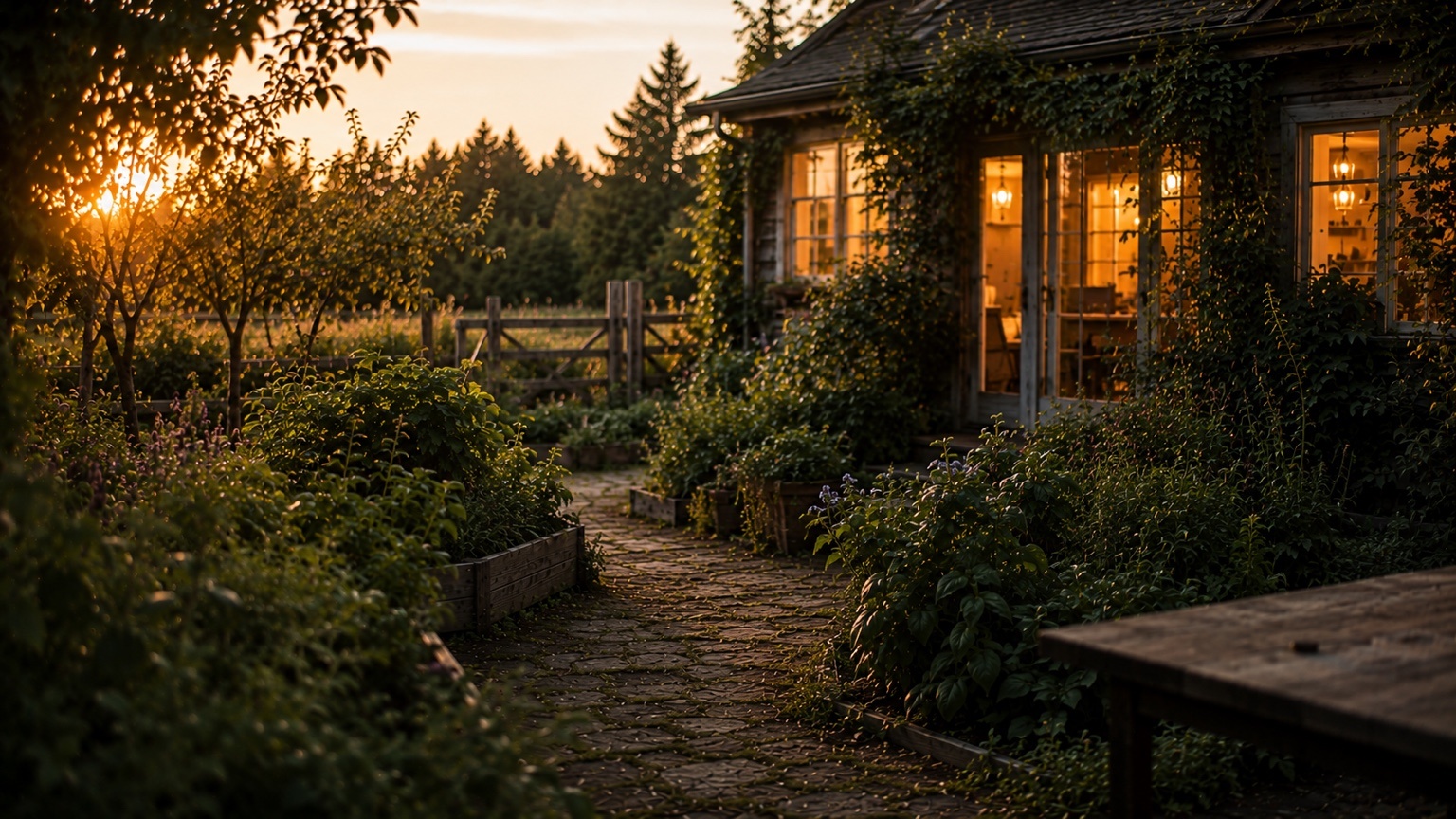
Fresh basil deserves its summer moment first. Use it generously, gather around it, and only then begin saving the overflow.
Months later, one pesto cube can bring the whole garden back.
When the garden is quiet and tomato season feels far away, I open the freezer. One pesto cube goes into soup. Another gets stirred into pasta. And for a moment, summer comes back.
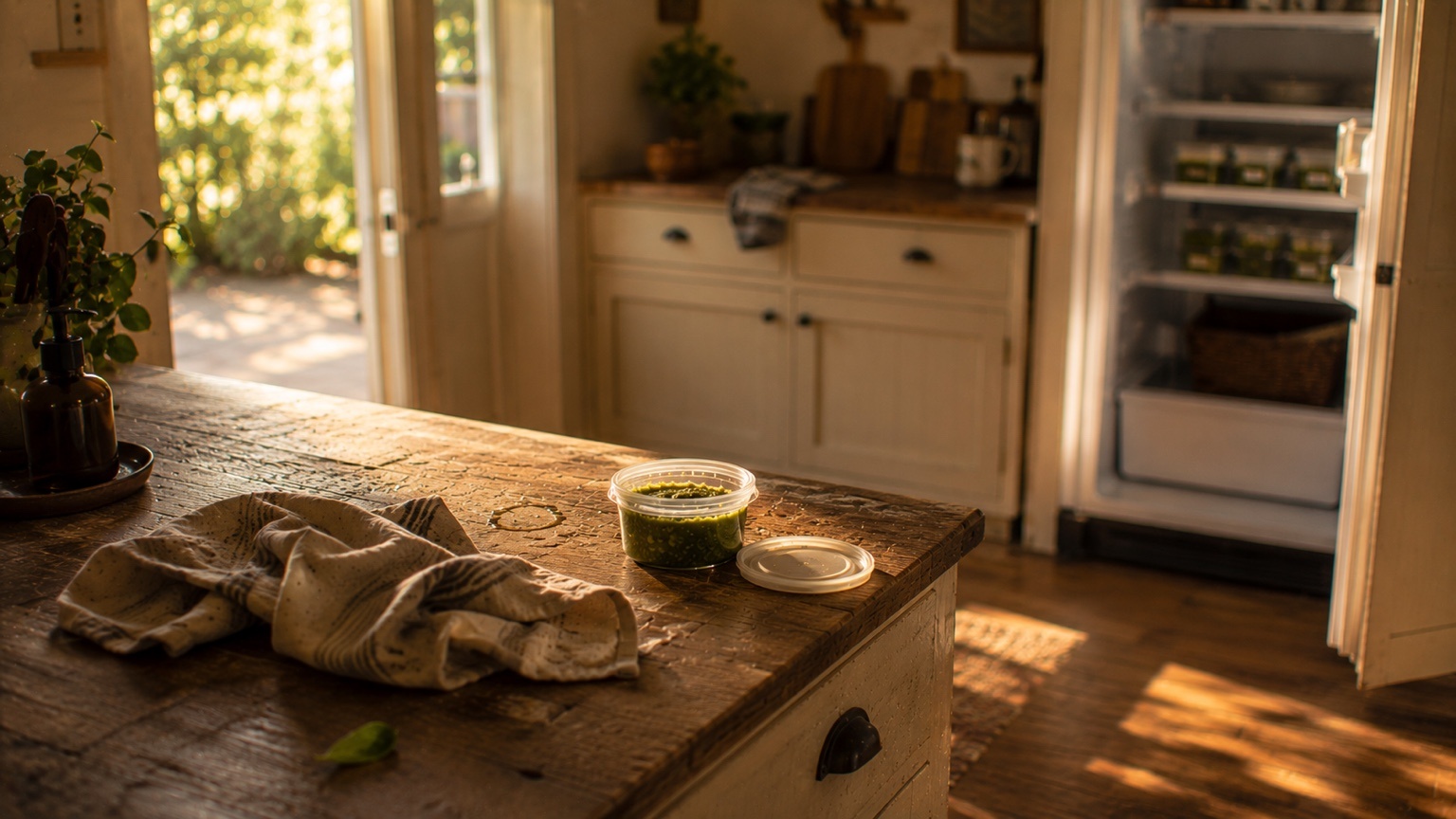
The smell. The flavor. The overflowing plants. Pizza night. The baskets that seemed impossible to keep up with. The afternoon when the counter disappeared under leaves and every container we owned seemed to be waiting for the freezer.
All of it comes rushing back.
That is why I never complain about growing too much basil.
Because somehow there is never enough summer.
Basil Harvest & Preserve Questions
Once basil is established, harvest it regularly throughout the growing season. Frequent cutting encourages fuller growth and helps delay flowering.
Yes. Basil leaves usually taste best before flowering. Pinch off flower buds when they appear so the plant keeps producing tender, fragrant leaves.
For the strongest summer flavor, pesto is often the best first choice. Freezing chopped basil in olive oil is another excellent option for soups, sauces, and cooked dishes.
Yes. Basil can be frozen whole, chopped, blended into pesto, or packed into trays with olive oil. Frozen basil is best used in cooked dishes, sauces, and pesto-based meals.
Yes, especially near the end of the season. Dried basil loses some of the bright flavor of fresh basil, but it is still useful in sauces, soups, and winter cooking.
Use some fresh first, then make pesto, freeze basil in olive oil, dry late-season leaves, and share extra bunches with neighbors, family, or friends.
For big harvests, pesto is usually the most satisfying way to preserve basil because it keeps the flavor tied to real meals. Basil oil cubes and frozen chopped basil are useful too, but pesto feels the most like summer at the table.